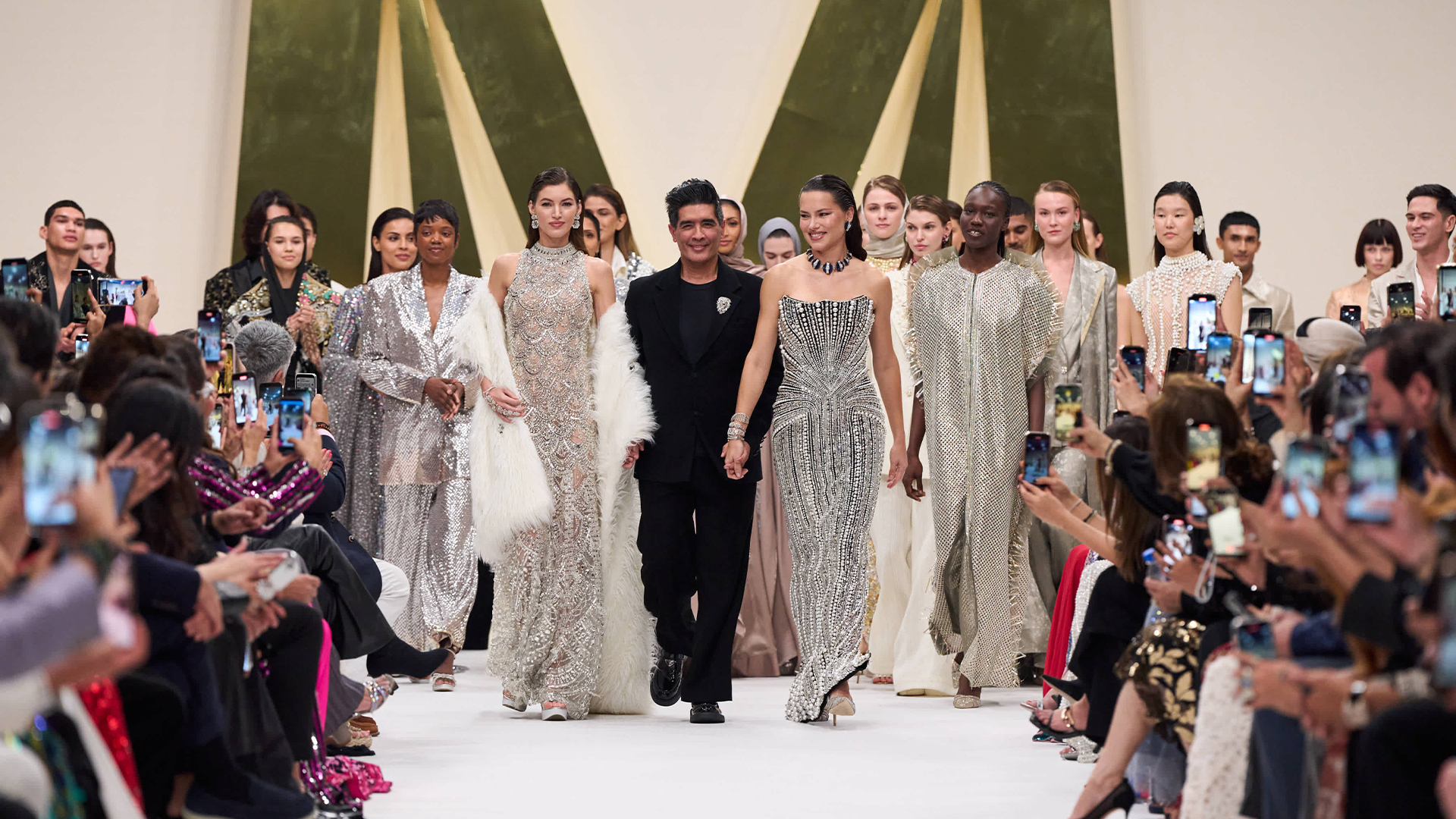
Manish Malhotra is one of the few designers who can say that they have influenced a country’s visual language. He has changed the definition of glamour in India over the past thirty years, not only on the red carpet such as Cannes,MET gALA but also in movies, wedding customs and other settings.
His impact started in Bollywood, where he altered the appearance of characters and, more significantly, their emotions. From Kabhi Khushi Kabhie Gham to Rangeela, his costumes told tales in addition to dressing actors. He has retained this narrative instinct. Wrapped in fine embroidery and shimmering fabric, Malhotra’s designs, whether for fashion weeks or film, always evoke a sense of drama, emotion, and nostalgia. But what makes his success more than just star power is his ability to weave Indian tradition into contemporary relevance. His pieces are recognisably Indian but never feel confined to the past. He doesn’t “update” heritage craft; he gives it a new stage, a new energy, and a new context.
One of the first Indian designers to recognise the importance of presentation was Malhotra. His runway presentations, which featured original soundtracks, lighting, and narrative arcs, brought a cinematic element to fashion events. He transformed every outfit into a scene and every walk into a moment, transforming the runway into a movie set. His shows focused on emotional connection rather than trends.
In a country where weddings are as much about identity as they are about ceremony, Malhotra became the go-to name for bridalwear. But unlike many couture houses that specialise in exclusivity, his aesthetic has always embraced a certain accessibility—aspirational, yes, but emotionally inclusive. Brides who wear him don’t just want to look beautiful; they want to feel seen, celebrated, and part of a larger cultural story.
His transition into lifestyle, which includes jewellery, beauty, and most recently, filmmaking with the introduction of Stage5, feels more like a logical progression than a change in direction. The sensibility is still cinematic, lavish, and deeply ingrained in Indian culture. That story is only strengthened by his impending film directing endeavours. Being behind the camera feels more like a comeback than a reinvention for a designer who made his living dressing fictional characters.
His work’s emotional intelligence is arguably one of its most enduring features. Malhotra is aware that Indian apparel frequently embodies memory, celebration, and metamorphosis in addition to fashion. His clothing can be found in photo albums, family histories, and heirloom trunks in addition to being worn on runways and in closets.
Manish Malhotra serves as a reminder that cultural uniqueness can be an asset rather than a drawback as Indian fashion continues to garner international attention. His art resonates across borders precisely because of this groundedness.
Manish Malhotra’s ability to change without ever losing sight of who he is—or who he is designing for—is what makes him so appealing in a world that is frequently fixated on the next big thing. For him, glamour is emotional as well as visual. And under his direction, it develops into a timeless language.