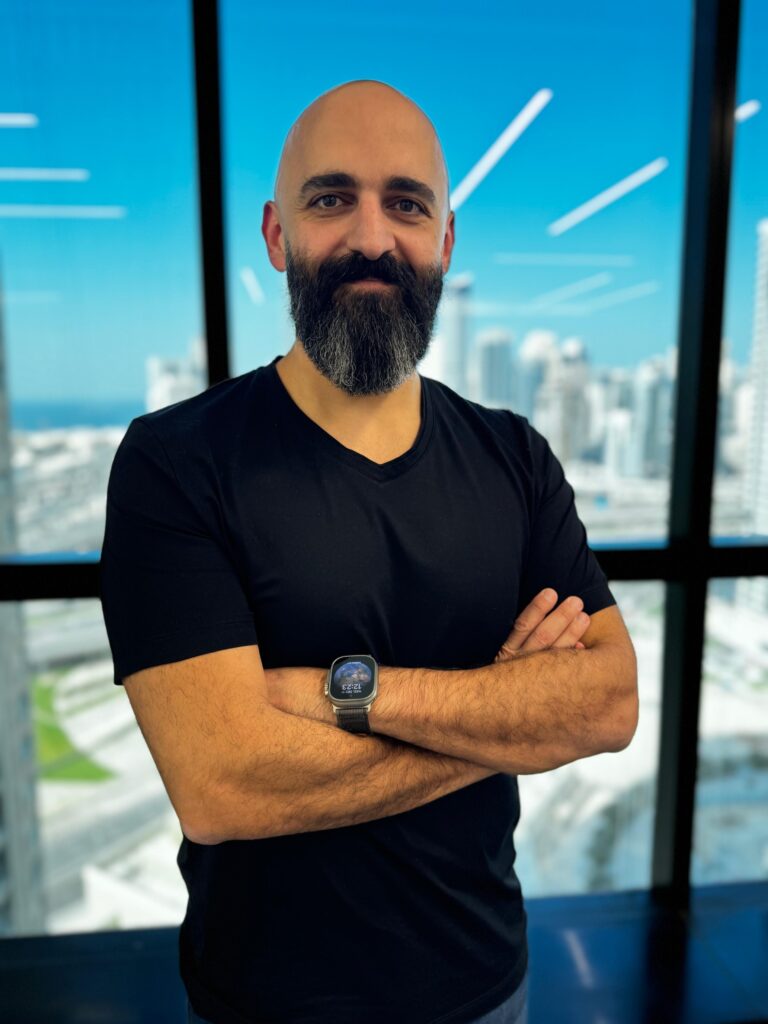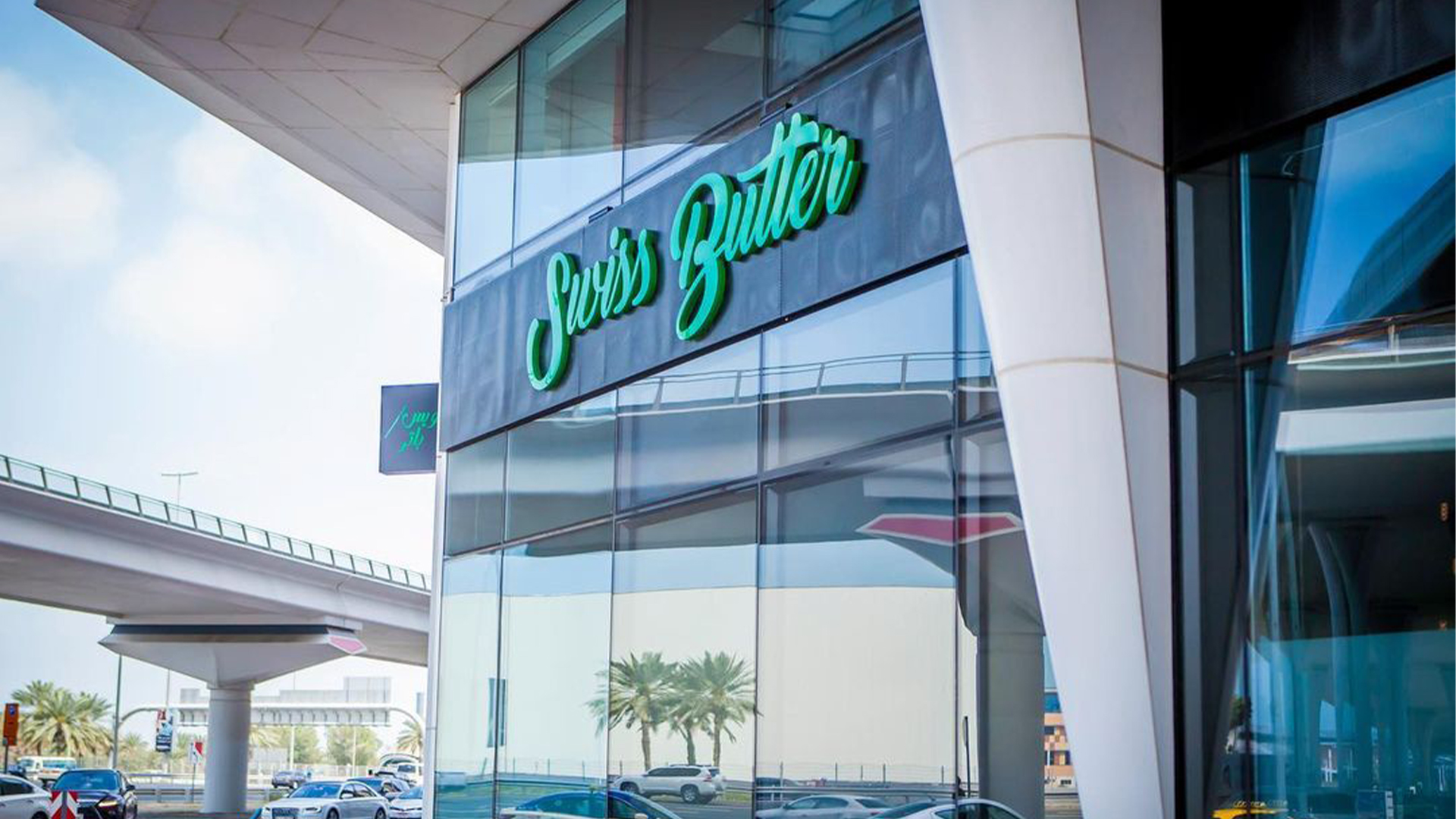
By Eddy Massaad, Founder of Swiss Butter
For the first nine months of building Swiss Butter, progress was slow in a way that is rarely spoken about. Conversations happened, interest was expressed, and then momentum faded. Support did not arrive when it was expected, and certainty was in short supply. In a region known for ambition and scale, it would have been easy to interpret that silence as a signal to move faster, change direction, or compromise the idea to make it more immediately appealing.
Instead, those months became the most formative period of the business.
Swiss Butter was never designed to be a fast story. It was built around restraint, consistency, and a belief that simplicity, when executed properly, travels better than complexity. In the early stages, that philosophy did not resonate with everyone. A tight menu, a singular experience, and a refusal to constantly reinvent felt counterintuitive in an industry that often celebrates excess as innovation.
Rejection forced clarity. Without external pressure to expand prematurely, there was space to focus on what truly mattered. The quality of the experience. The way teams were trained. The standards that needed to be protected if the brand was going to move across borders without losing its identity. In many ways, not being rushed allowed the business to mature before it grew.
In the Middle East, many of the most successful businesses are built with long-term ownership and reputation in mind. Patience is not seen as hesitation, but as strategy. Leaders focus on durability, consistency, and trust, thinking in decades rather than quarters. That way of building aligned naturally with how Swiss Butter was being shaped, even before expansion across the region became a reality.
One of the most important lessons from that early period was understanding the difference between momentum and sustainability. Momentum can be created quickly, often through attention or novelty. Sustainability is slower. It requires systems, trust, and consistency. Customers may forgive experimentation, but they rarely forgive inconsistency. Teams may accept ambition, but they struggle under instability.
Those months of limited progress allowed us to build systems before they were urgently needed. Training was approached as culture building rather than instruction. Leadership was distributed rather than concentrated. The goal was not to create a business that depended on one person being present at all times, but one that could operate with the same standards regardless of location or leadership layer.
In the Middle East, where businesses often operate across multiple markets, cultures, and expectations, this kind of structure is not optional. Growth without clarity creates fragmentation. Brands that scale without shared values struggle to maintain trust. What travels well is not just a product, but a way of working.
Being rejected repeatedly also forces a founder to confront uncertainty honestly. There is a fine line between being early and being wrong, and during that phase, the distinction is not clear. What helped was focusing less on external approval and more on internal signals. Customers returned consistently. Teams stayed engaged. The experience remained stable even as conditions changed. These were quiet confirmations that the foundation was sound.
As the business began to expand across the Middle East, those early decisions became increasingly important. Regional growth brings complexity, but it also rewards discipline. By prioritising ownership, control, and long term alignment, we were able to expand without diluting what made the brand work in the first place. Growth was deliberate, not reactive. Opportunities were evaluated based on strategic fit rather than speed or scale alone.
Sustainability, in this context, is not a slogan. It is the ability to operate consistently across time, markets, and economic cycles. It is about building something that can endure leadership transitions, market fluctuations, and shifts in consumer behaviour. That kind of resilience cannot be added later. It has to be designed into the business from the beginning.
Today, Swiss Butter operates across multiple markets in the region and beyond, and is valued in the millions. That outcome is often framed as success arriving after struggle, but the reality is more subtle. The period of rejection did not delay the business. It shaped it. It created the discipline that later allowed growth to happen without chaos.
For founders and business leaders in the Middle East who are navigating early resistance or slower than expected progress, rejection should not automatically be seen as failure. Often, it is an opportunity to strengthen foundations while the stakes are still manageable. Businesses built for longevity rarely look impressive in their earliest stages. They look careful. They look patient. They look focused.
The valuation came later. The visibility followed. What mattered most was the willingness to build quietly, with restraint, and with a long term view. In regions where legacy matters as much as success, that approach is not only relevant. It is essential.