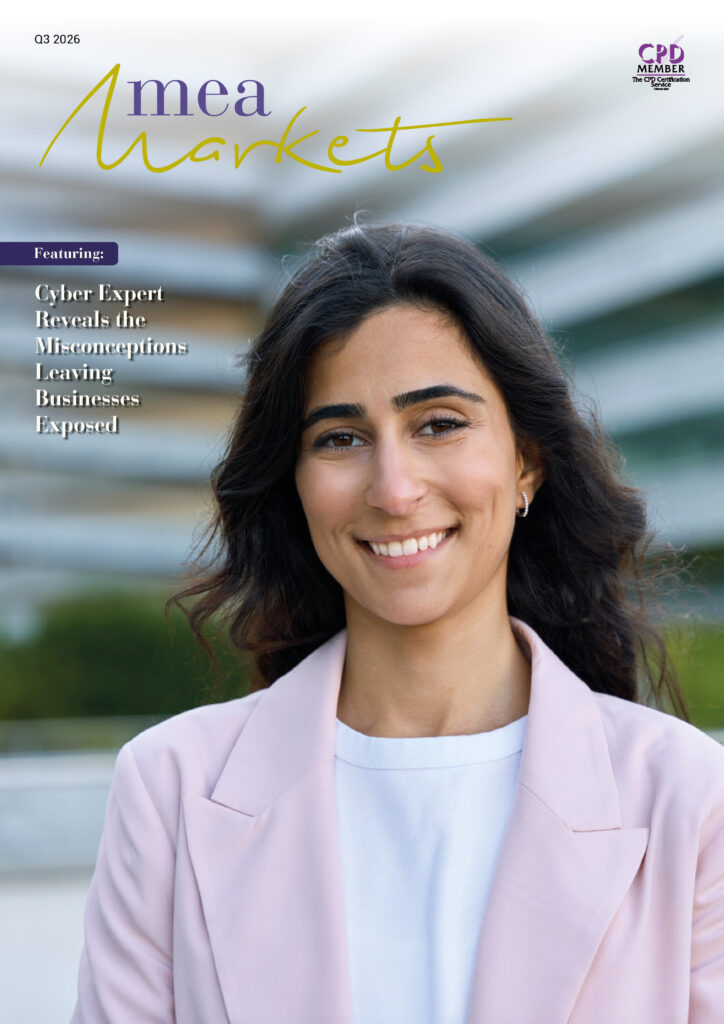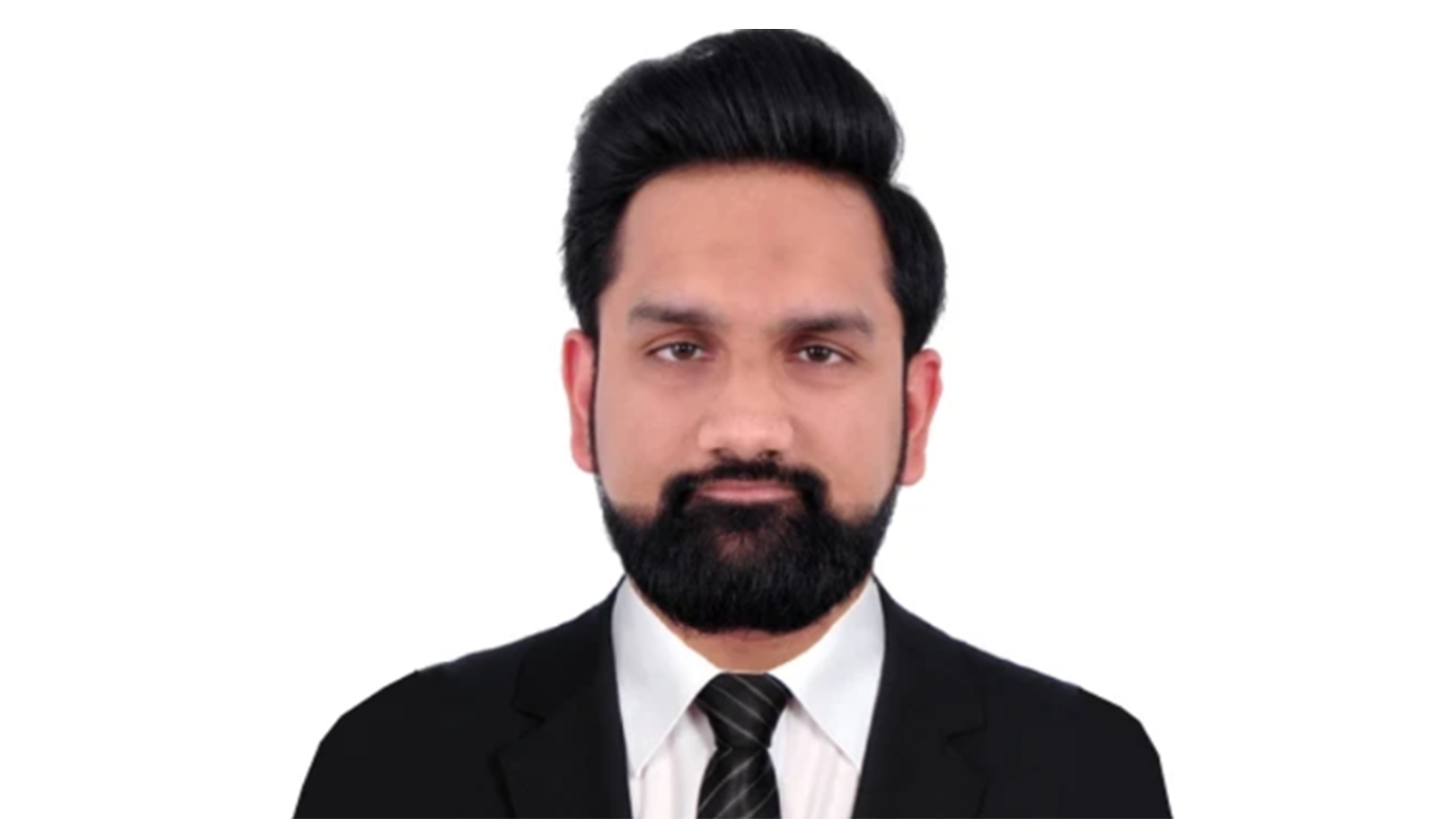
This exclusive interview with Shaikh Muhammad Adeel was conducted by Tabish Ali of the Motivational Speakers Agency.
How can businesses detect an attack earlier, protect staff working remotely and reduce the time it takes to respond? These are some of the questions we put to cyber security consultant Shaikh Muhammad Adeel, author of AI-Driven Transformation of Security Operations Centers.
Speaking exclusively to Cyber Security Speakers Agency, Adeel discusses the role of AI in detecting threats and automating incident response. He also examines the everyday security challenges facing employers, from staff opening unfamiliar CVs to accessing company systems over public Wi-Fi, and explains why regular testing and training matter.
1. How can business owners use AI to strengthen their cybersecurity operations?
Adeel Shaikh Muhammad: “I’m doing my doctorate in the same topic: how AI can impact security operations or cyber security as a whole.
“Businesses should have some type of real-time threat detection mechanisms. That’s possible thanks to AI-driven analytics.
“There is a term I’m sure you have heard about: zero day. A zero day is basically an attack which is not available, or somebody has just made that attack today, that worm, virus or functionality. No one in the world, or no cyber security solution, knows about it. If nobody knows about it, the behaviour-based or detection-based solutions will be unable to detect it.
“If you are using AI-driven analytics or real-time threat detection using AI, AI can predict or understand if some behaviour is leading to something dangerous. At the spot, it will highlight and stop it.
“That’s why real-time threat detection using AI analytics is important. There are many solutions out there claiming that, or which have this in place by default.
“Next is automated incident response. That is basically to reduce the detection-to-remediation time. It will save you time in incident response if something bad already happens. You can automate these incidents by using AI in your security operations.
“The other can be to automate your patch management and compliance reporting. If you are under some compliance like PCIDSS, GDPR, or if you are in this region, you have NISSA. In Saudia, you have NCACC, dcc and all.
“Whatever the emerging threats are, or the compliance you have to have, that is also possible with AI, especially for security operations.”
2. What are the biggest cybersecurity risks facing organisations with remote workers, and how can they address them?
Adeel Shaikh Muhammad: “Remote users are a big risk for the organisation. Especially during Covid, organisations were really spectacle about how to solve this issue.
“They can join from anywhere: a beach, a Starbucks, public Wi-Fi, their home networks or their personal devices. Devices also vary. It’s not always the company laptop, resources or assets. It can be anything. That’s a mess in that area.
“Then there are remote phishing attacks. Phishing remotely is very easy because you are not sitting in the office. For example, if you’re sitting in the CEO’s office, you know that this phishing email is not from the CEO because the CEO is in front of you. If you are working remotely, the chances are increased.
“Then there are physical security controls. There are no physical security controls because you are working from anywhere.
“One of the mitigation practices is to enforce your multifactor authentication and secure VPN, which is really important.
“Secondly, you have to have solutions like “key style”, which I mentioned, because that will stop the lateral movement. “Force” came up with a report saying that around 90% of ransomware attacks start from lateral movement. You have to stop that.
“The attackers, the adversaries, are using your computer as collateral and coming to your computer before moving to sensitive systems. It’s a big risk, so you have to have solutions to block lateral movements.
“Your endpoint security and MDM solutions, mobile device management, are really important. The biggest of all, which I mentioned at the start, is security awareness and training because you cannot patch a human. You have to train them again and again on what to click and what not to click.
“It’s really difficult. For example, if it’s an HR lady, her job is to open CVs, or if it’s a recruiter. What if one PDF is not a CV, it’s a back door or something?
“The person intentionally clicked it, and they are always coming from public domains like Hotmail or Gmail. You cannot train your employer to click only on company email addresses, not personal ones, because that’s her job.
“Security awareness is really important, and you have to have a zero trust security model to enforce least-privilege access.”
3. How can companies move from a reactive approach to cybersecurity towards a more proactive security model?
Adeel Shaikh Muhammad: “This is really required, especially in 2025 when there are so many AI-based threats. You have to shift from reactive to proactive.
“You cannot say that everything is going well and, “I will buy if something goes bad.” This approach will lead somewhere disastrous.
“First of all, you have to have continuous monitoring and AI-driven threat intelligence. That is really important.
“Then you have to have a zero trust security model, which I was mentioning in my last point.
“You also have to have regular vulnerability assessments and penetration testing. You already have a layer of defences. Now you are checking how strong those layers of defences are and how protected you are.
“That’s what vulnerability assessments and penetration testing are: checking the boundaries you have already created. That needs to be regular, every quarter or twice a year, depending on your organisation. It could be every month, depending on what organisation we are talking about.
“Then automate incident response workflows so that we can have faster threat mitigation.
“Lastly, you have to have a security-first culture, with training, consultations and simulations.
“Simulations are like sending you an email and seeing who will click and who will not. That email might say your Amazon box has arrived and to click here to get more information, or click here to win an Amazon voucher for $50 or $100.
“These are simulations we are trying to do, and we are seeing that everybody’s clicking. So we have to emphasise cyber security awareness and training more.
“It’s difficult to wrap it up in one word, but I would say cyber security is not a one-time effort. It’s a continuous process. Please take it that way. There is no destination. Enjoy the journey.
“You have to move really fast because cyber security is something which is not getting older. People ask me why there is sometimes a boom for something and then it drops, but cyber security always has a boom or hype.
“The reason is that there are different vectors every now and then. We are talking about Web 3.0, for example, blockchain, then you have blockchain security. Now we are talking about AI, so we have AI security. We are talking about quantum computing, so we have quantum computing security because we have to have quantum-proof encryption for the future.
“Please don’t take it as wasting money. It’s an investment which is saving you and providing you with complete visibility.”