As South Sudan’s food security deteriorates due to localized conflict, displacement triggered by the Sudan crisis, and climate-related shocks like flooding, the UN’s International Fund for Agricultural Development (IFAD), the UN’s Development Programme (UNDP) and the Government of South Sudan today signed a financial agreement for a seven-year, US$25.6 million project that aims to improve food security, increase income and generate resilience for rural households. The project is expected to reach 160,000 people, with a focus on women, youth, returnees and people with disability.
In collaboration with South Sudan’s Ministry of Agriculture and Food Security (MAFS), the Rural Enterprises for Agriculture Development (READ) project will help develop 500 rural producers’ organizations, as well as policies and regulatory frameworks that promote good governance and accountability systems vis-à-vis their constituencies. READ will also facilitate overall access to rural finance.
“As the lead implementing agency, I’d like to express my profound commitment and capacity of the national Ministry of Agriculture and Food Security to work hand-in-hand with IFAD and all other relevant stakeholders to ensure the success of this project and improve food and nutrition security for all people of South Sudan,” said Josephine Joseph Lagu, South Sudan’s Minister of Agriculture and Food Security.
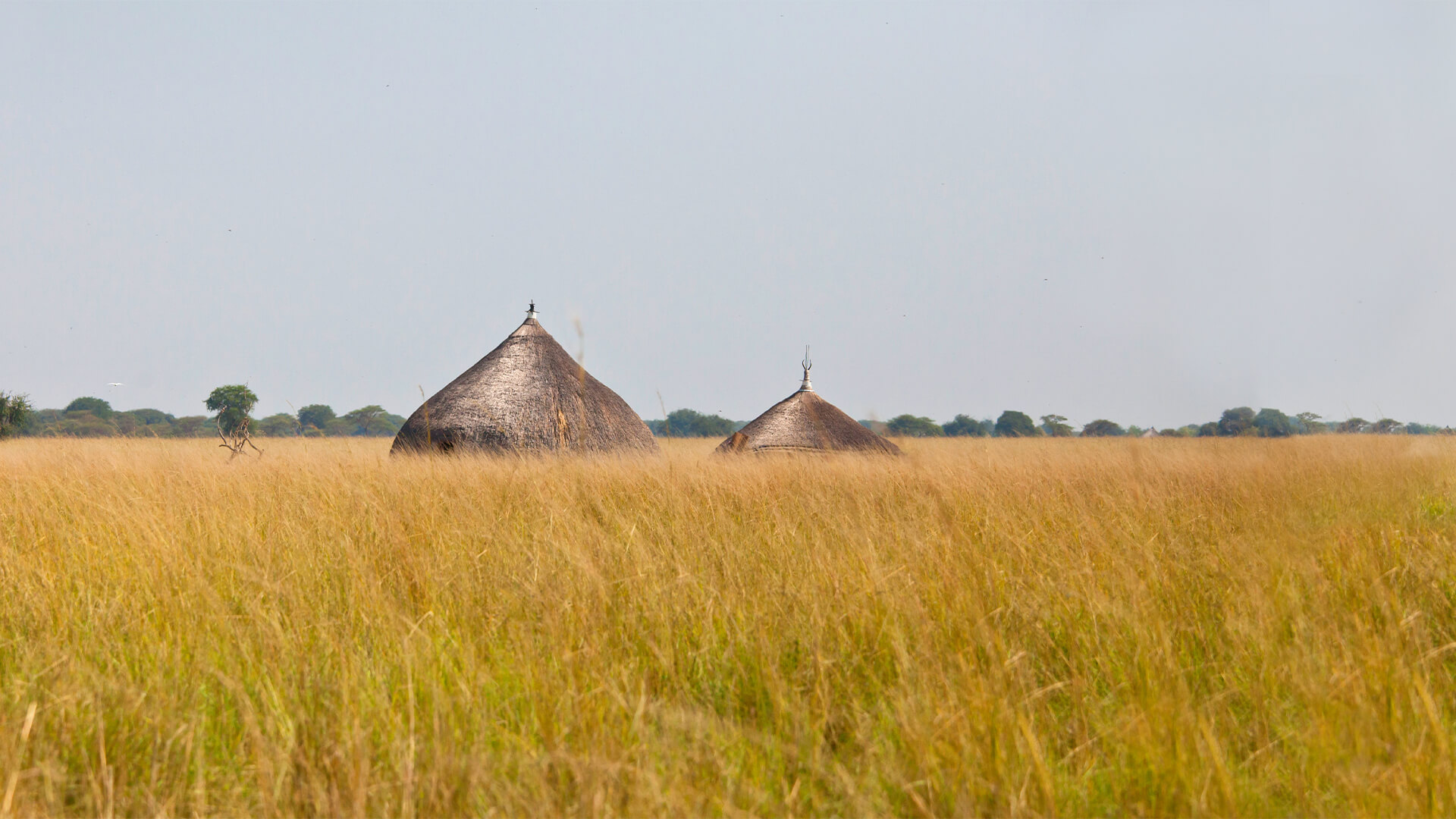
©️IFAD – Alberto Trillo Barca
“There’s a recognition that the potential for rural sector in South Sudan is massive. The READ Project will lift the majority of our people out of poverty and will foster an entrepreneurial culture which will not only expand employment opportunities but also support economic recovery after this long conflict,” said Dier Tong Ngor, South Sudan’s Minister for Finance and Economic Planning.
IFAD will fund almost 80 per cent of project costs through a US$20 million grant from the Global Agriculture and Food Security Program (GAFSP). Additional co-financing will be provided by the Cooperative Bank of South Sudan (US$1.8 million), UNDP (US$1.5 million), the Government of South Sudan (US$ 1.4 million), and project participants (US$ 0.75 million).
Food security as precondition to achieve peace
According to the UN’s Office for the Coordination of Humanitarian Affairs, a record 9.4 million people — 76 per cent of the country’s population — are likely to require aid in 2023 as the country continues its march towards “freedom, equality, justice, peace, and prosperity,” as stated in the South Sudan Vision 2040.
“Providing viable livelihood opportunities to rural populations is an essential step toward peace and prosperity. This means supporting small-scale farmers and rural producers with access to loans, financial services and business skills, while at the same time ensuring they have the capacity to cope with ever-increasing climate shocks,” said Alvaro Lario, President of IFAD.
“As an implementing partner and the development agency for the READ Project, the UNDP is committed to the collaboration between the private sector, rural producers’ organizations, and rural financial institutions to facilitate access to financial services, to technology, and to markets. By strengthening the country’s economic recovery and diversification through agricultural value chain development, the READ project contributes to South Sudan’s peace, recovery and stabilization agenda by reinforcing the social fabric within communities and creating livelihood opportunities for the rural population, including returnees and internally displaced people,” said Dr. Samuel Doe, Resident Representative, UNDP South Sudan.
The project will be implemented between 2023 and 2029 in six states (Central Equatoria, Eastern Equatoria, Northern Bahr el Ghazal, Upper Nile, Western Equatoria, and Yambio) in South Sudan with a “conflict-sensitive approach.”
IFAD has been engaged in South Sudan since its independence in 2011. Its investments boost food production and rural employment, increase resilience, help farmers adapt to climate change and strengthen human and institutional capacities. Working closely with the Government, IFAD has channelled US$77.26 million in investments to three rural development projects, reaching 76,800 rural households. South Sudan has recently doubled its pledge to replenish IFAD’s resources for the next three years, sending a strong message of support to IFAD and the donor community.